What’s In Season
-
![]()
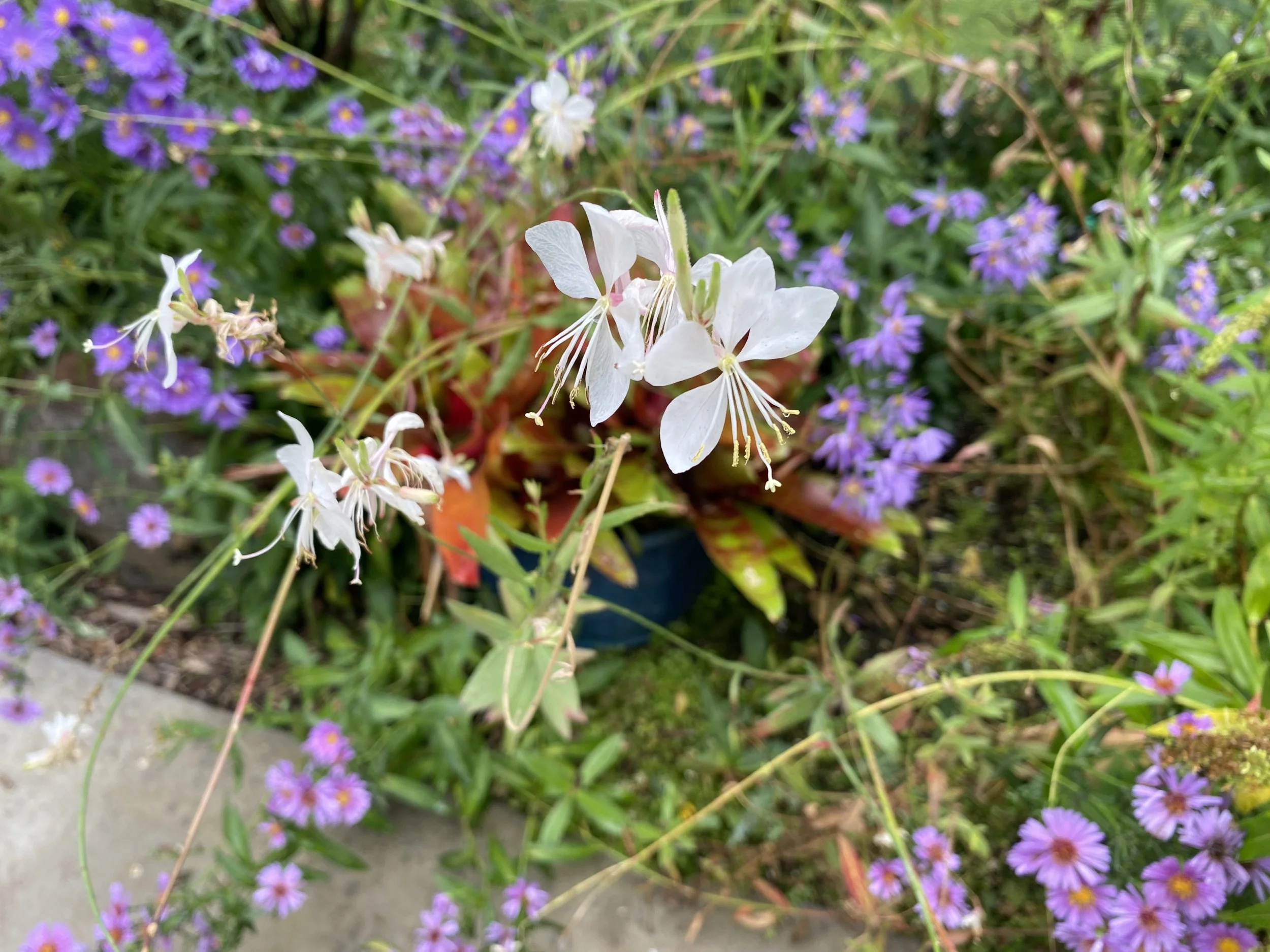
Gaura Lindheimeri
Looking for reliable white/pink flowering bush for a border garden? Gaura-aka-Butterfly Bush is a good candidate. Needs full sun and well drained soil to thrive-if it’s happy, Gaura will flower profusely for the whole summer. Looks good with other cottage garden plants like Lavender. You can see Gaura flowering in our Butterfly House at present-the Monarch butterflies love it too. Colours can be white, pink and white or a darker pink. The plants can be trimmed back in Autumn and will come away again in early summer.
Allow space for the plant show its full display over the whole season-Gaura is a great addition to any cottage garden. Pop along to West Lynn Garden soon see this flowering in our Butterfly House.
-
![]()
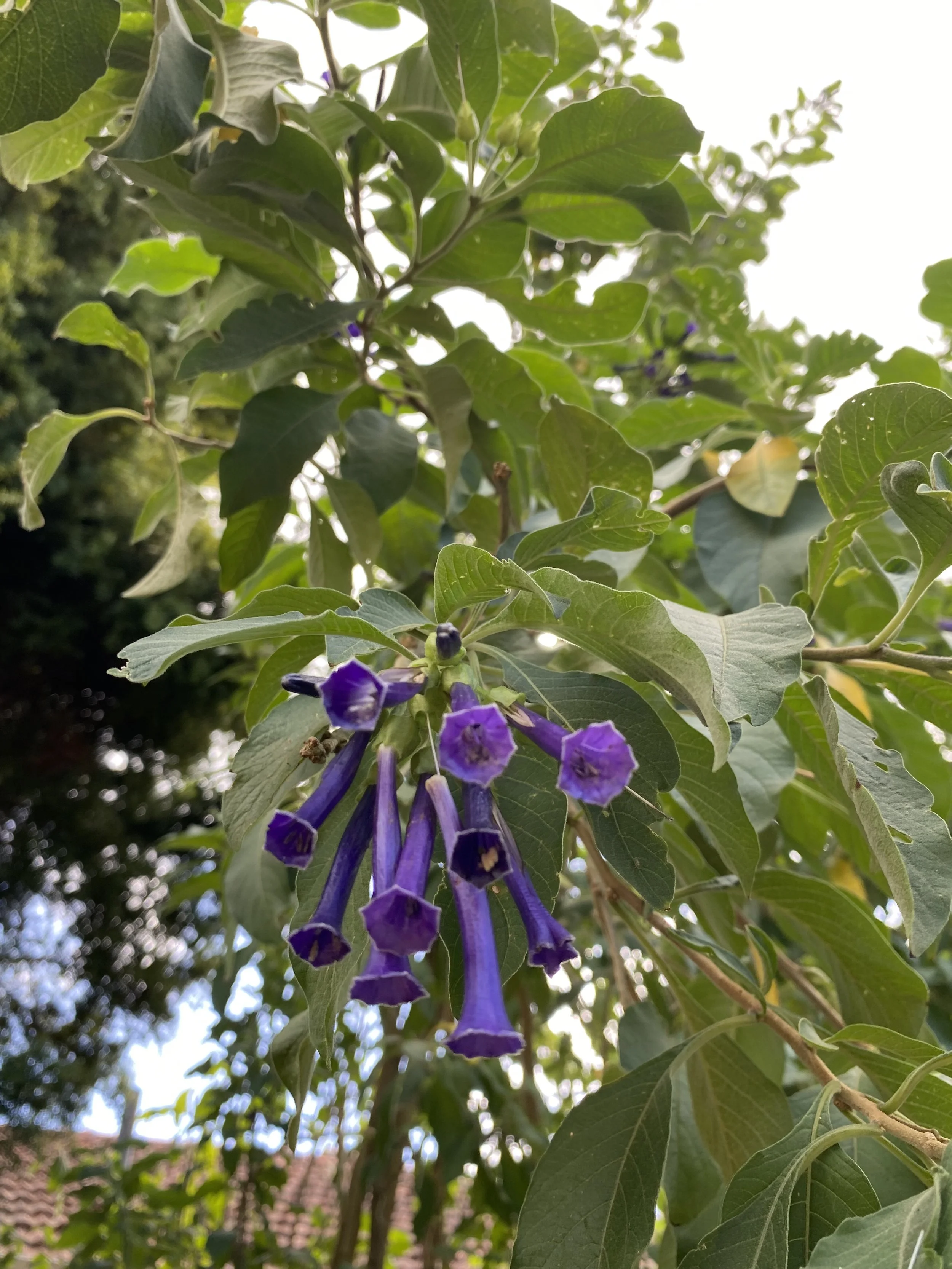
lochroma grandiflorum
The Iochroma in our carpark is in full flower again-when I wrote about it last year, I hadn’t realised that this particular tree actually flowers almost all year round.
The profuse clusters of purple trumpet shaped flowers are very attractive and many bees seem to think so too.
Indigenous to Ecuador, the tree is evergreen and now about 6 metres high, thriving in part shade and-as mentioned flowering most of the time.
Next time you visit West Lynn Garden, take a look on the right hand side of the carpark-you’ll easily spot the purple clusters nodding in the breeze.
-
![]()
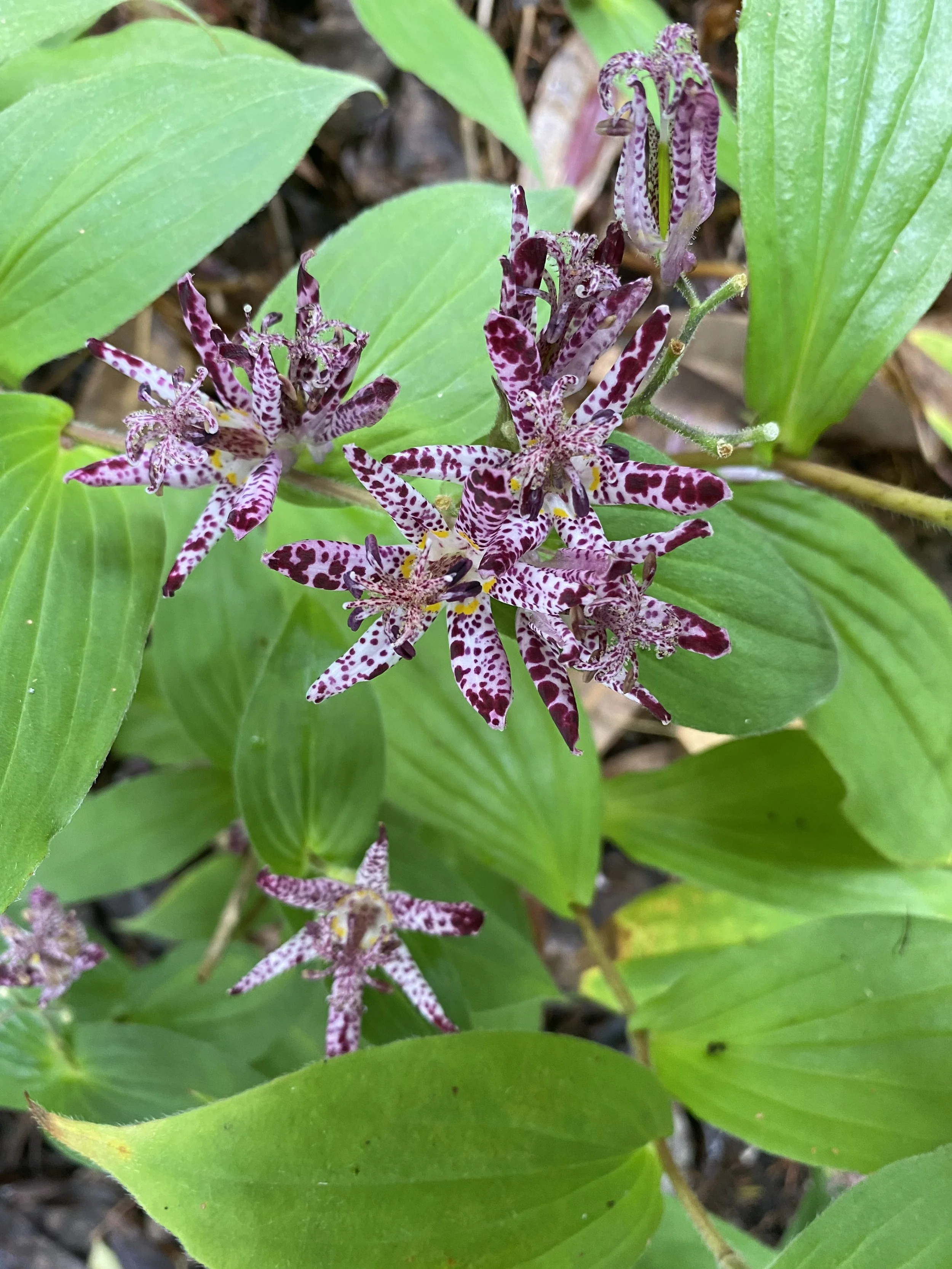
Tricyrtis formosa
Toad Lily-the name just doesn’t do the plant justice.
The species name,Tricyrtis formosa, holds much more interest. A Greek tri-for 3 and Kurt- for arched….the formosa indicates its origins-now Taiwan. Also found in China, Korea, Japan,Nepal and the Philippines.
This well-behaved ground cover likes open shade, rich moist soil and, given the right spot, will flower profusely in late summer/autumn. It will not do well in deep shade or dry conditions.
In full bloom at West Lynn Garden right now and just smothered in delightful, mottled, dark pink orchid-like blossoms. You need to almost kneel to really inspect the intricacy of each spray of flowers-very complex and intriguing.
The name Toad Lily refers to the unusual spots and tiny bumps on the petals-I still prefer Tricyrtis!
-
![]()
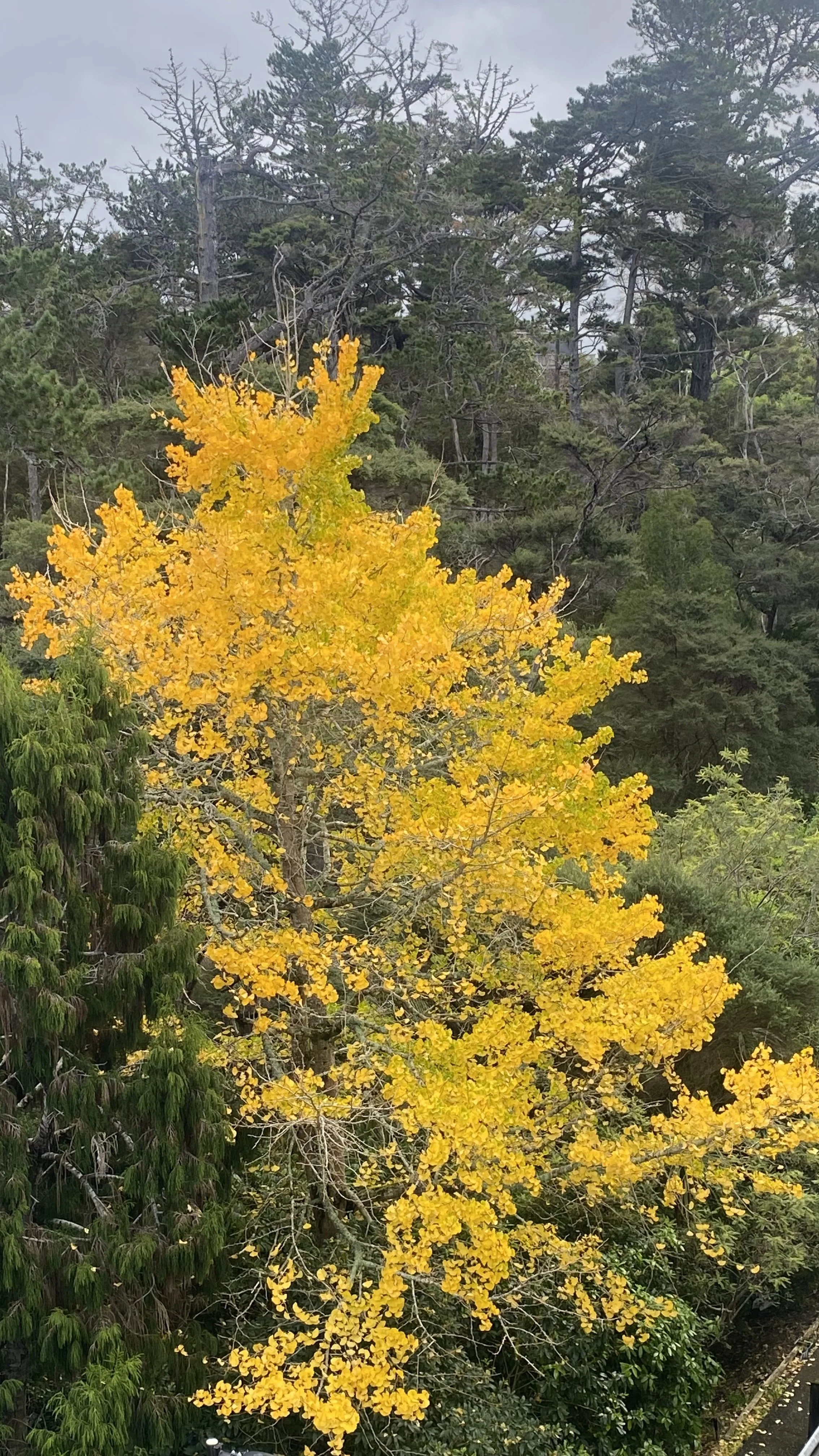
Ginkgo Biloba
Ginkgo Biloba is the sole survivor of a species known as the Ginkgoales which first appeared in the Permian period-about 300 million years ago. The species flourished through the Jurassic age, way back in the time of the dinosaurs. We’re told that about 100 million years ago, the trees began to die out-leaving the Ginkgo Biloba variety, the sole survivor of the species-and only in China where ancient trees had survived in the grounds of temples.
Ginkgo Biloba is now widely grown in city gardens where a temperate climate can provide a long and successful location in which to thrive. It’s not keen on strong winds but is resistant to pollution and pests. Deciduous and ideally, needs lots of uncluttered space to show off its symmetrical structure to perfection.
Needless to say, I am a BIG fan of Ginkgo Biloba trees!
-
![]()
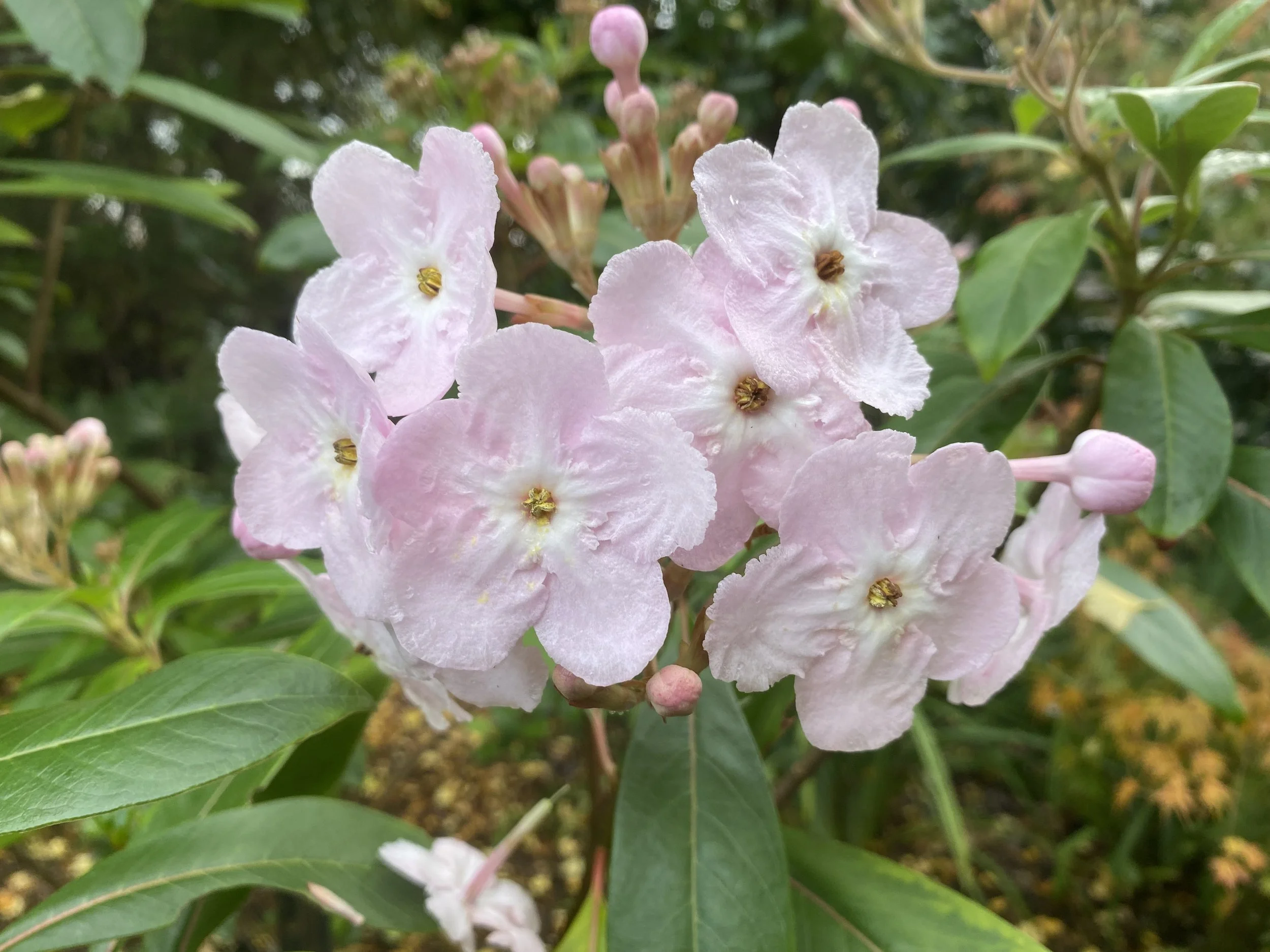
Luculia Gratissima Luculia
Originally from the Himalayas, these evergreen shrubs are well worth adding to your garden. Just when the winter weather starts to set in-bringing dull, chilly days…out pop the Luculia flowers in all their radiant pinkness-just guaranteed to raise your spirits! It’s a beautiful display and bound to draw admiring comments from all who witness the nodding heads of fragrant pink blossoms.
To get the best enjoyment from your Luculia flowering season, keep the shrub to between one and two metres high. Best time to do this is AFTER the flowering has finished- trim the branches lightly and and scatter some suitable granular fertiliser around the outer circle-and wait until next winter!
If the shrub is left to its own devices, it will grow somewhat higher and-you guessed it-you can no longer enjoy the flowers or the fragrance.
-
![]()
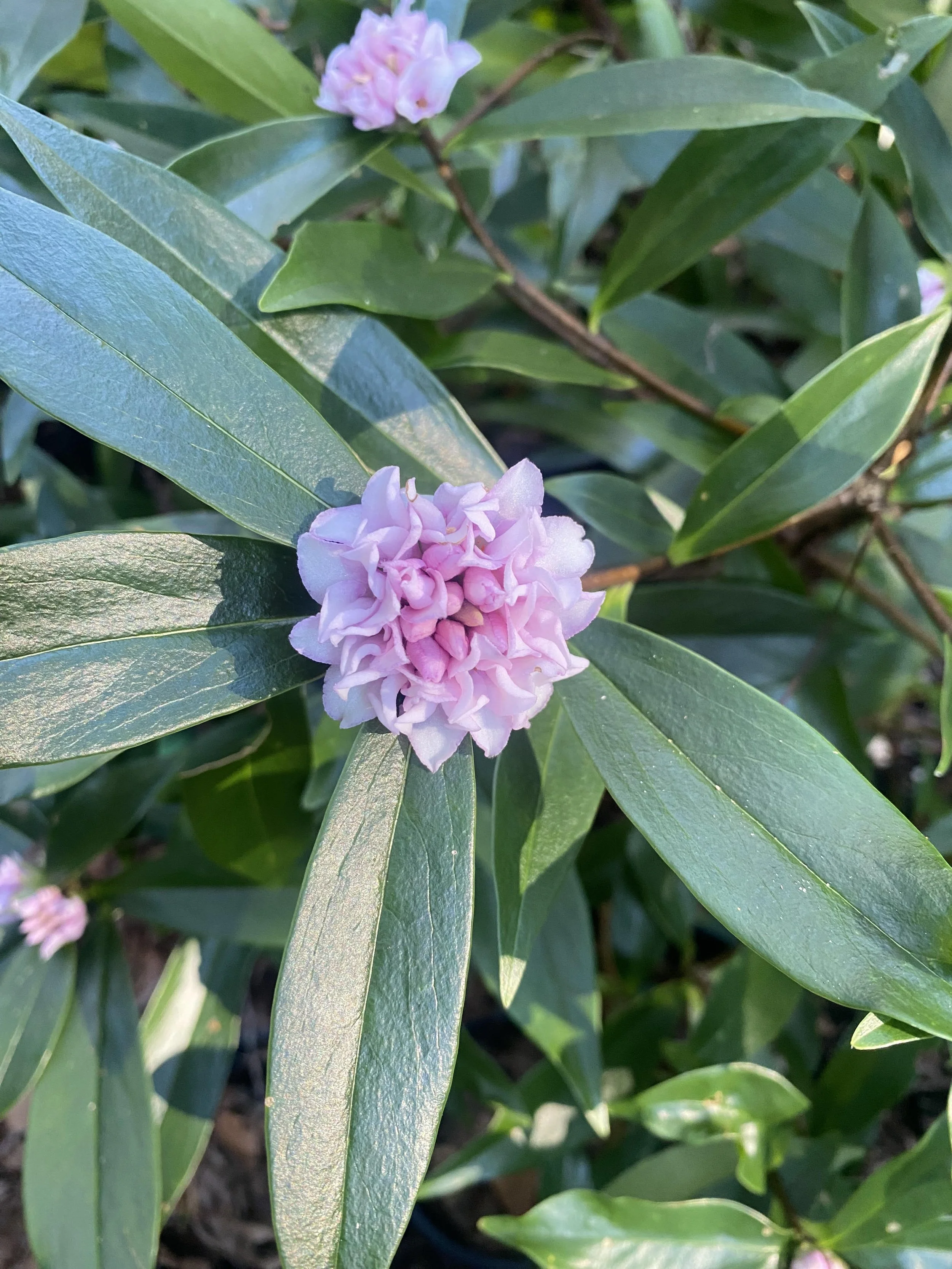
Daphne Odora Daphne
One of the most popular and widely grown Daphne species is this well known Odora-usually just called Daphne. Evergreen and reliable, the flowering starts about now and continues for months. Fragrant and alluring-at 5 years old, yes, I was guilty of picking bits off my grandmother’s treasured Daphne when no one was looking! This plant grows well in our temperate climate-likes cool feet and part shade. At West Lynn Garden we have three varieties growing in the Meditation garden where they are thriving in the cool soil and dappled light. Always popular, the plants flower at different intervals over the winter months providing fragrance and interest for all who come to sit and enjoy this quiet space.
-
![]()
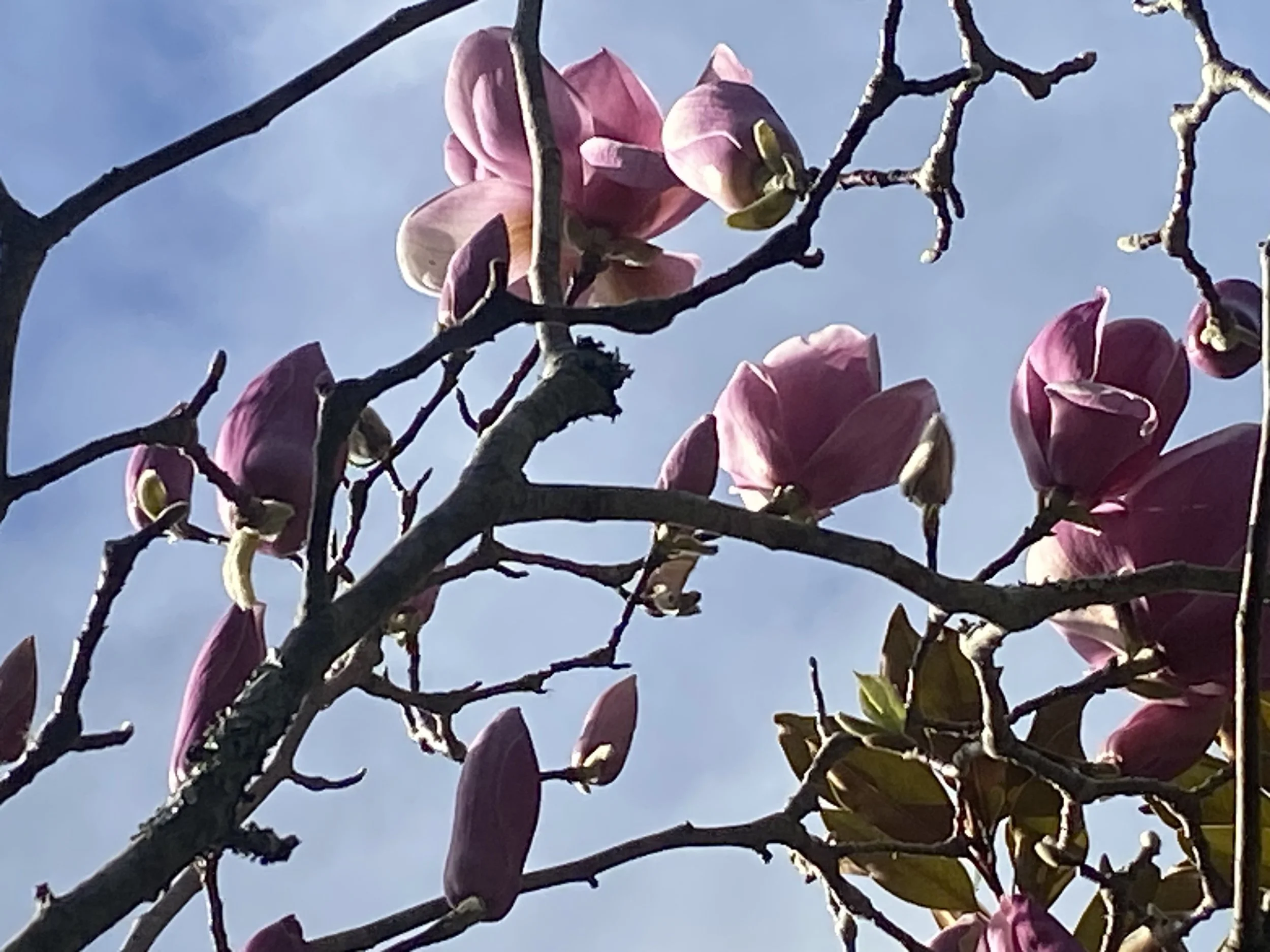
Magnolia
See these magnificent trees everywhere at present!
First come the pinky/white Stellata - just festooned with star shaped blooms.
Then out come the stunning big blossoms of pink/purple Magnolia Soulangiana, Liliflora and others followed by the Denudata creamy/white and equally stunning to behold in full flower.
There’ll be some in your neighbourhood and, of course, here at West Lynn Garden.
Enjoy the display during these fine winter days - a spot of colourful grandeur to warm the heart of any gardener.